



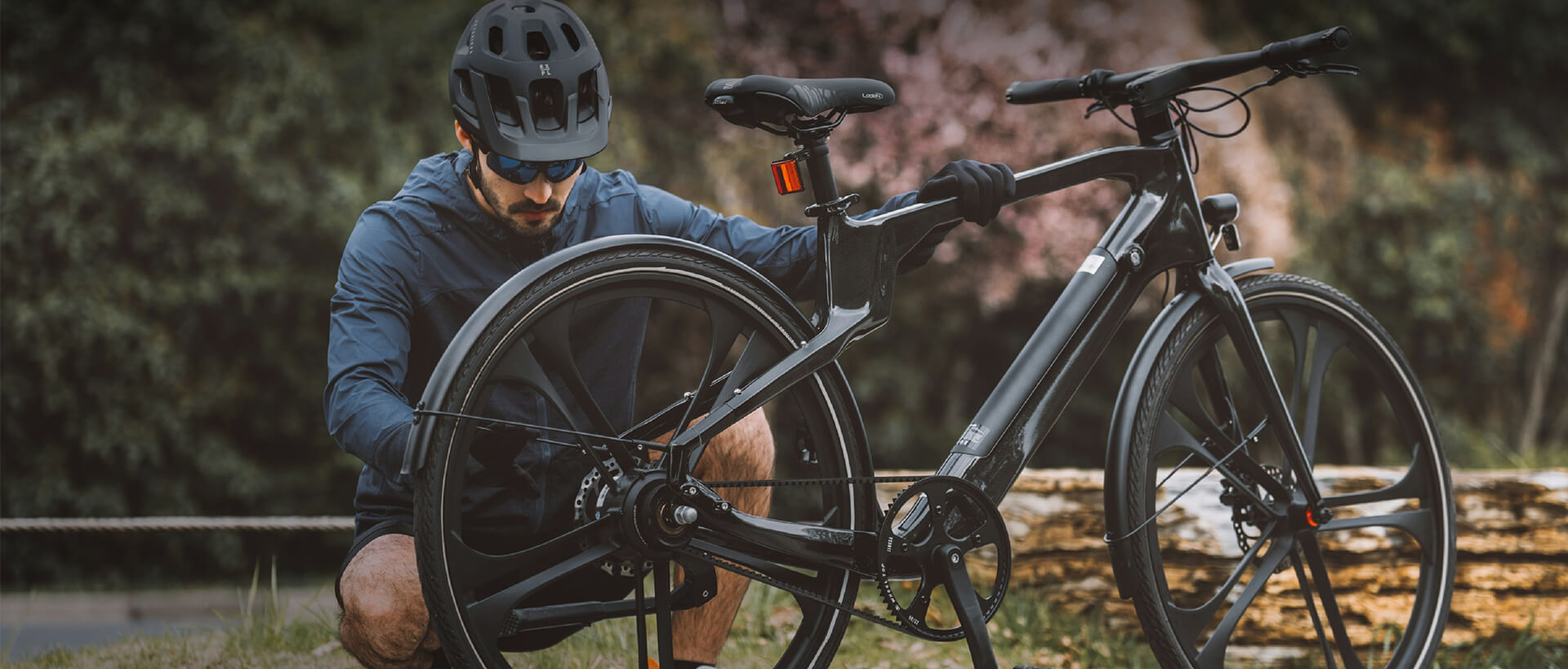

There is one saying in the bicycle industry that great products begin with great frames.
No matter how advanced the drivetrain is, how powerful the motor becomes, or how attractive the paint scheme looks, the frame remains the heart of every bicycle. It determines ride quality, durability, handling characteristics, and long-term reliability.
As the global demand for bikes and urban mobility solutions continues to grow, choosing the right aluminum bike frame manufacturer has become even more important than ever. For famous bicycle brands, distributors, and product managers, finding a supplier is not only a simple purchasing decision—but also a strategic partnership that can make impacts on product quality, market competitiveness, and customer satisfaction for years to come.
But with hundreds of manufacturers around the world, how do you define a right partner?
Should you focus on production capacity? Engineering support? OEM services? Quality control? Or perhaps the ability to develop innovative e-bike platforms?
In this guide, let’s explore the key factors every bicycle brand should consider when evaluating suppliers and introduce 15 of the most respected OEM and ODM aluminum bike frame manufacturers in 2026.
Why Choosing the Right Aluminum Bike Frame Manufacturer Matters?
The Frame Is the Foundation of Every Bike
Imagine building a house on weak foundations.
No matter how beautiful the architecture appears, structural problems eventually emerge.
The same principle applies to bicycles.
A high-quality frame affects:
Rider comfort
Power transfer efficiency
Handling precision
Product lifespan
Brand reputation
This is especially true in the e-bike segment, where frames must withstand higher loads, increased torque, and additional battery weight.
Manufacturers that understand these engineering challenges can help bike brands to bring outstanding products that stand out in the competitive market nowadays .
The Hidden Cost of Choosing the Wrong Supplier
Many companies focus too much on unit pricing than sourcing bicycle frames.
While pricing is important, it should never be the only factor to consider.
A low-cost supplier may create hidden expenses such as:
Warranty claims
Delayed product launches
Quality issues
Engineering revisions
Communication problems
Supply chain disruptions
In many cases, the cheapest supplier becomes the most expensive choice.
The best manufacturers help reduce risk while improving product quality and speed to market.
Key Factors to Evaluate Before Selecting a Manufacturer
Engineering and R&D Capability
Modern bicycle development requires far more than simple manufacturing.
Leading suppliers often provide engineering support including:
Frame geometry optimization
Suspension kinematics development
Finite Element Analysis (FEA)
Prototype development
Fatigue testing
A supplier with strong engineering capabilities can help identify potential issues before they become costly production problems.
For brands entering the premium e-bike market, engineering expertise is often more valuable than production volume.
OEM vs ODM Services
Some manufacturers simply build according to customer drawings.
Others provide complete product development support.
OEM (Original Equipment Manufacturing) is ideal for brands with proprietary designs, while ODM (Original Design Manufacturing) allows companies to customize proven platforms and accelerate product launches.
The most flexible suppliers typically can offer both services.
Manufacturing Capacity
Let’s think about whether the factory can support future growth?
Today's order may be 500 units, but what happens when demand reaches 5,000 or 50,000 units?
Scalable manufacturing capacity ensures long-term stability and reduces the need to switch suppliers as your business grows.
Quality Control Systems
The best manufacturers integrate quality management throughout every production stage.
Choose suppliers that perform:
Material inspections
Welding inspections
Alignment checks
Fatigue testing
Impact testing
Final quality audits
Consistency is often the big difference between a trusted supplier and an average one.
Export Experience
International business requires more than manufacturing expertise.
Suppliers serving Europe or across the world should understand:
Product compliance requirements
Documentation standards
Packaging requirements
Logistics coordination
Export experience often translates into smoother project execution.
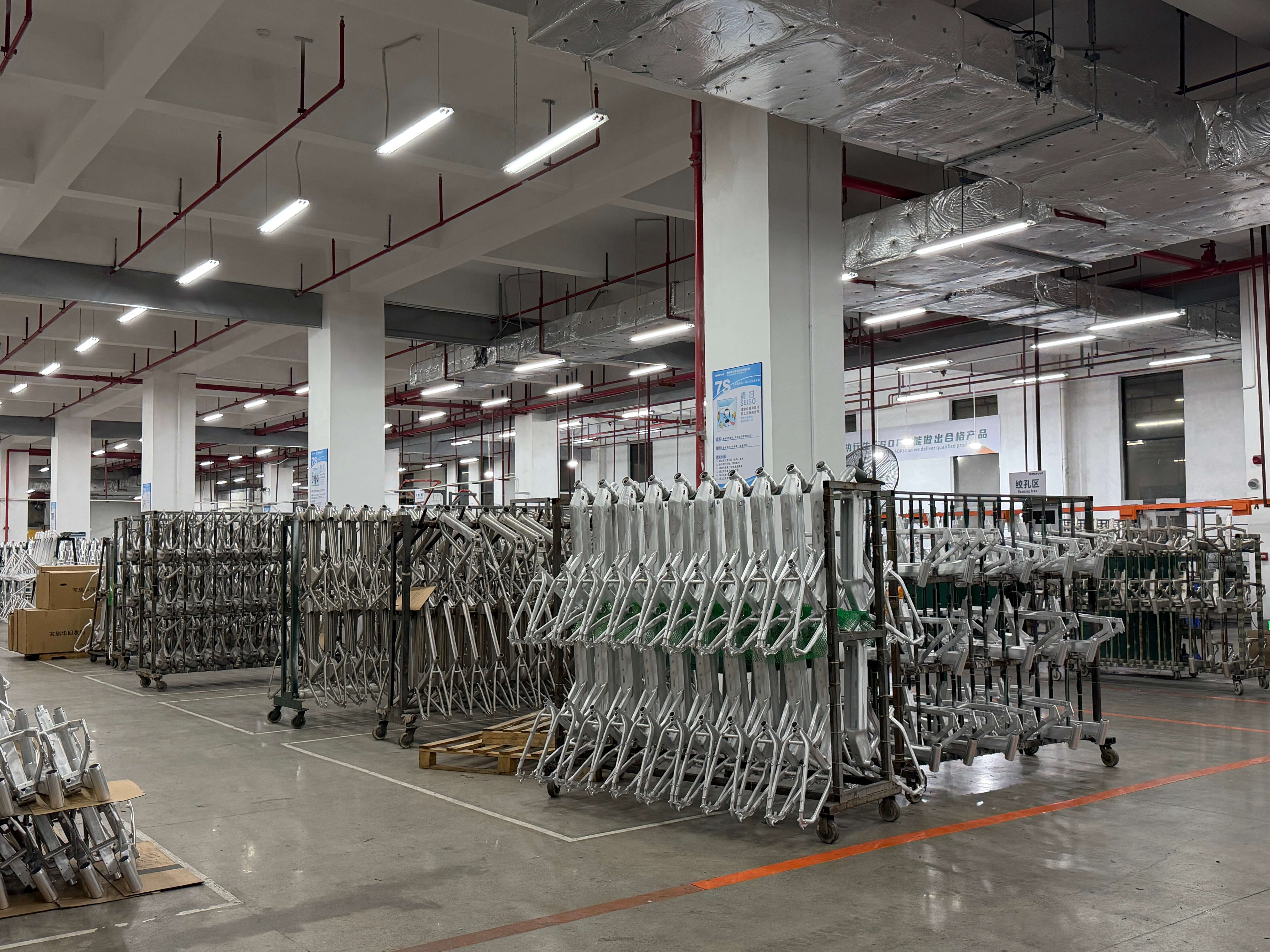
In-House Painting and Finishing
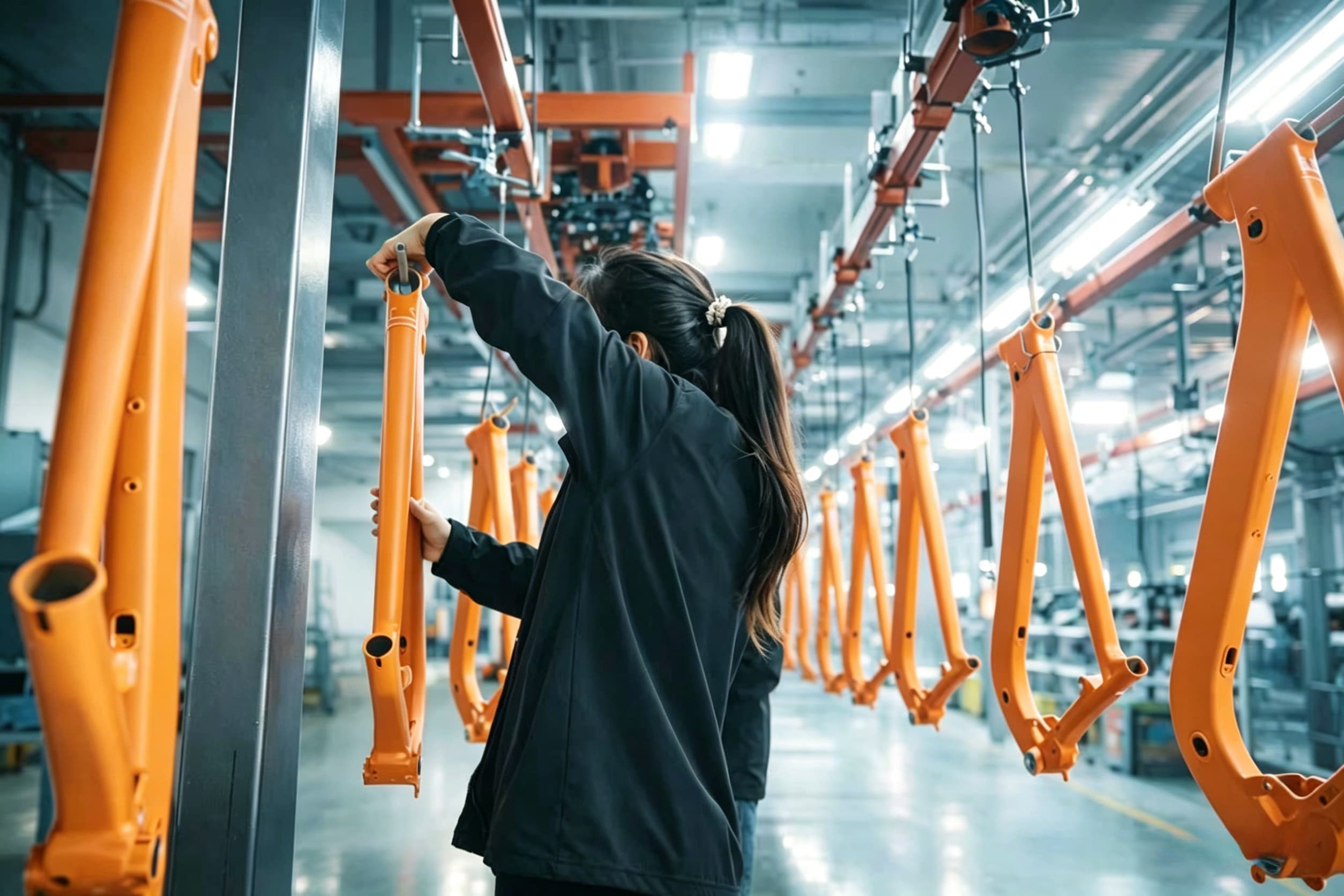
An in-house paint facility can provide significant advantages.
Benefits include:
Better quality control
Faster lead times
More customization options
Reduced transportation risks
For premium bicycle brands, finishing quality often plays a major role in customer perception.

Top 15 OEM & ODM Aluminum Bike Frame Suppliers in 2026
1. BROVA TECH
Why BROVA Is Worth Considering
BROVA has quickly established itself as a trusted manufacturing partner for bicycle brands seeking premium aluminum frame solutions.
The company specializes in:
Full-suspension e-MTB frames
Aluminum e-bike frames
OEM development
ODM frame platforms
Premium paint finishing
Unlike many manufacturers that focus purely on production, BROVA combines engineering support with manufacturing expertise. Customers can move from concept development and prototyping to mass production through a single integrated partner.
Key Strengths
Strong focus on e-bike frame development
In-house painting workshop
Advanced aluminum welding technologies
OEM and ODM support
Export-oriented quality standards
Flexible project management
For brands targeting the growing e-MTB and premium e-bike markets, BROVA offers a compelling combination of innovation, quality, and responsiveness.
2. Giant Group
As the world's largest bicycle manufacturer, Giant has decades of experience in aluminum frame development and production. Its ALUXX aluminum technology remains one of the industry's most recognized frame platforms.
Giant's manufacturing scale, engineering resources, and production expertise make it a benchmark supplier in the cycling world.
3. Merida Industry
Merida is widely respected for its investment in product development and advanced manufacturing technologies.
The company supports a wide range of bicycle categories, including road bikes, mountain bikes, e-bikes, and gravel bikes.
Its strong engineering capabilities make it a preferred supplier for many global brands.
4. Kinesis Industry
Kinesis has earned a reputation for precision manufacturing and engineering excellence.
The company is particularly known for working closely with customers during product development and delivering consistently high-quality aluminum frames.
5. Ideal Bike Corporation
Ideal Bike Corporation offers extensive manufacturing experience and large-scale production capabilities.
Its long history in the bicycle industry has helped it develop strong quality systems and reliable supply chain management.
6. Astro Tech
Astro Tech specializes in aluminum fabrication and frame manufacturing.
Its ability to balance quality, efficiency, and flexibility makes it attractive to brands seeking dependable OEM support.
7. Topkey Corporation
Topkey is recognized for its focus on manufacturing innovation and continuous improvement.
The company works with a variety of international bicycle brands and supports both aluminum and advanced frame development projects.
8. Hodaka Technology
Hodaka has built a strong reputation for production consistency and customer service.
Its manufacturing capabilities cover multiple bicycle categories, including electric bicycles and performance-oriented models.
9. A-Pro Tech
A-Pro Tech offers comprehensive bicycle manufacturing solutions ranging from frame production to complete bike assembly.
Its flexibility makes it particularly attractive for growing bicycle brands.
10. Quest Composite Technology
Quest combines advanced engineering resources with premium manufacturing expertise.
Although known for carbon products, the company also supports sophisticated aluminum frame development projects.
11. Kenstone Metal
Kenstone Metal specializes in precision aluminum fabrication and OEM manufacturing services.
The company serves a range of international customers and emphasizes quality consistency and process control.
12. Fairly Bike Manufacturing
Fairly Bike Manufacturing has decades of experience supporting OEM bicycle production.
Its broad manufacturing capabilities make it a reliable option for brands seeking scalable production solutions.
13. Oyama Bicycle
Oyama Bicycle has expanded its presence in international markets through competitive manufacturing capabilities and product diversification.
The company supports multiple bicycle categories, including electric bikes.
14. Tianjin Fuji-Ta
Tianjin Fuji-Ta combines manufacturing experience with global export capabilities.
The company serves both domestic and international bicycle markets.
15. Battle Bicycle
Battle Bicycle has become known for its flexible manufacturing approach and ability to support various OEM projects.
For brands seeking responsive development support, Battle Bicycle remains a supplier worth evaluating.
OEM vs ODM:
Which Model Is Best for Your Bicycle Brand?
Selecting the right manufacturing model is just as important as selecting the right supplier.
Many bicycle brands focus exclusively on factory capabilities while overlooking a critical question:
Should you choose OEM or ODM manufacturing?
The answer depends on your business goals, development resources, and market strategy.
Understanding OEM Manufacturing
OEM stands for Original Equipment Manufacturing.
In this model, the bicycle brand owns the product design and intellectual property. The manufacturer is responsible for producing the frame according to customer specifications.
OEM manufacturing offers several advantages:
Complete Product Differentiation
Your frame design belongs exclusively to your brand.
This allows you to create unique geometry, suspension systems, battery integration solutions, and styling features that competitors cannot easily replicate.
Greater Brand Value
Exclusive products often help brands command higher pricing and build stronger market recognition.
More Engineering Freedom
OEM development enables brands to customize virtually every aspect of the frame.
However, OEM projects typically require:
Higher development budgets
Longer lead times
More prototype testing
Dedicated engineering resources
For established bicycle brands, these investments are often worthwhile.
Understanding ODM Manufacturing
ODM stands for Original Design Manufacturing.
Instead of creating a completely new frame from scratch, customers can customize an existing platform developed by the manufacturer.
This model has become increasingly popular in the e-bike industry.
Faster Market Entry
Speed matters.
ODM platforms allow brands to launch products months faster than traditional OEM programs.
Reduced Development Costs
Because the core engineering work has already been completed, brands can significantly reduce:
Tooling costs
Engineering expenses
Prototype investments
Development risks
Ideal for Emerging Brands
Startups and growing bicycle companies often use ODM solutions to enter the market quickly before investing in proprietary platforms.
Why Many Brands Choose Both
Interestingly, many successful bicycle companies use a hybrid approach.
They begin with ODM products to establish market presence and generate revenue.
As the brand grows, they gradually transition toward OEM development to create more differentiated product lines.
Manufacturers like BROVA support both approaches, giving customers flexibility as their business evolves.
Future Trends in Aluminum E-Bike Frame Manufacturing
The bicycle industry is changing rapidly.
Consumer expectations continue to rise, and manufacturers are investing heavily in new technologies to stay competitive.
Here are several trends shaping the future of aluminum frame manufacturing.
Lightweight Full-Suspension E-MTB Platforms
A few years ago, electric mountain bikes were often criticized for being bulky and heavy.
That perception is changing.
Advances in aluminum frame engineering now allow manufacturers to create lighter and more agile e-MTB platforms without sacrificing durability.
Key developments include:
Optimized tube shaping
Improved suspension kinematics
Advanced hydroforming
Enhanced battery integration
As e-MTB sales continue to grow, lightweight aluminum platforms will become increasingly important.
Battery Integration Becomes Standard
Consumers increasingly prefer clean and seamless bicycle designs.
External batteries are gradually disappearing from premium products.
Instead, manufacturers are focusing on:
Fully integrated battery systems
Hidden cable routing
Cleaner frame aesthetics
Improved protection from environmental elements
These improvements enhance both functionality and visual appeal.
Advanced Hydroforming Technology
Hydroforming remains one of the most significant innovations in aluminum frame production.
By using high-pressure fluid to shape aluminum tubing, manufacturers can create stronger and lighter frame structures.
Benefits include:
Improved stiffness
Reduced weight
Better strength distribution
More attractive frame designs
For premium bicycle brands, hydroforming has become an important manufacturing technology.
Smart Manufacturing and Industry 4.0
Factories nowadays are becoming increasingly intelligent.
Modern bicycle manufacturers are adopting technologies such as:
Automated welding systems
Digital quality monitoring
Production analytics
Predictive maintenance
AI-assisted process control
These technologies improve production consistency while reducing defects and inefficiencies.
For customers, this means higher quality and more reliable delivery schedules.
Sustainable Manufacturing Practices
Sustainability has become a major consideration for bicycle brands and consumers alike.
Leading manufacturers are investing in environmentally responsible practices including:
Aluminum recycling programs
Energy-efficient production equipment
Water recycling systems
Eco-friendly coating technologies
Reduced manufacturing waste
As environmental regulations become stricter, sustainable production will become an increasingly important supplier selection criterion.
Frequently Asked Questions
Why Are Aluminum Bike Frames So Popular?
Aluminum offers one of the best balances between performance, durability, weight, and affordability.
It is strong enough for demanding riding conditions while remaining cost-effective for large-scale production.
This combination makes it ideal for road bikes, mountain bikes, gravel bikes, and e-bikes.
Are Aluminum Bike Frames Better Than Carbon Frames?
Not necessarily.
Both materials have advantages.
Carbon fiber generally offers greater weight savings and vibration damping, while aluminum provides better affordability, durability, and manufacturing efficiency.
The right choice depends on the product category and target customer.
Which Aluminum Alloy Is Commonly Used for Bike Frames?
Most high-quality aluminum bike frames are manufactured using:
6061-T6 Aluminum
7005 Aluminum
These alloys offer excellent strength-to-weight ratios and corrosion resistance.
Why Is Aluminum Ideal for E-Bikes?
Electric bicycles place additional stress on frames because of motors, batteries, and increased torque.
Aluminum provides the structural strength needed to support these loads while maintaining manageable weight.
How Long Does a New Frame Development Project Take?
Development timelines vary depending on complexity.
A typical OEM project may require:
Design: 1–3 months
Prototype development: 2–4 months
Testing and validation: 2–4 months
Production preparation: 1–2 months
Total development time can range from six months to over a year.
ODM projects are usually much faster.
What Should I Look for During a Factory Audit?
Important areas to evaluate include:
Welding quality
Engineering resources
Production capacity
Quality management systems
Testing equipment
Project management capabilities
A thorough factory audit helps reduce sourcing risks.
Why Is In-House Painting Important?
An in-house paint facility provides:
Better quality control
Faster lead times
More customization options
Greater process consistency
For premium bicycle brands, paint quality can significantly influence customer perception.
Can a Manufacturer Help Improve My Frame Design?
Absolutely.
Many advanced suppliers offer engineering support services such as:
Geometry optimization
Structural analysis
Suspension design
Prototype development
This collaborative approach often leads to better-performing products.
What Is the Typical MOQ for Aluminum Bike Frames?
Minimum order quantities vary widely depending on the manufacturer and project type.
ODM projects generally have lower MOQs, while fully customized OEM projects may require larger volumes to justify tooling investments.
How Do I Choose the Best Supplier for My Brand?
The best supplier is not necessarily the cheapest supplier.
Instead, evaluate manufacturers based on:
Engineering expertise
Quality systems
Communication efficiency
Manufacturing capacity
Long-term partnership potential
The goal is to find a supplier that can grow alongside your business.
Conclusion
More decision-makers in bicycle brands nowadays are realizing the importance of choosing the right aluminum bike frame manufacturer when launching their products.
A frame is more than just a collection of welded tubes, it serves as the foundation of product performance, rider experience, and brand reputation. The right manufacturing partner can accelerate development, improve product quality, and help brands compete more effectively in increasingly demanding markets.
The fifteen manufacturers featured in this guide represent some of the most respected names in the industry. From global leaders such as Giant and Merida to engineering-focused suppliers like Kinesis and emerging specialists such as BROVA, each offers unique strengths that may align with different business objectives.
For brands targeting the rapidly growing e-bike and e-MTB segments, factors such as engineering support, OEM and ODM capabilities, battery integration expertise, and quality management systems have become more important than they used to be.
Ultimately, the most successful sourcing decisions are built on long-term partnerships rather than short-term cost savings. By carefully evaluating suppliers and aligning manufacturing capabilities with your product strategy, you can create bicycles that not only meet market expectations but exceed them.
As the cycling industry continues to evolve throughout 2026 and beyond, manufacturers that combine innovation, reliability, and customer-focused development will play a critical role in shaping the next generation of aluminum bicycle frames. Companies such as BROVA are already demonstrating how engineering expertise and integrated manufacturing solutions can help brands bring better products to market faster than ever before.
Related Blogs
-
 An aluminum bicycle frame brings material selection, tube design, joint engineering, and manufacturing control together. Its performance mainly depends on how these elements working with each other under pedaling, braking, impacts, and repeated loading.For bicycle brands and product developers, choo
 -
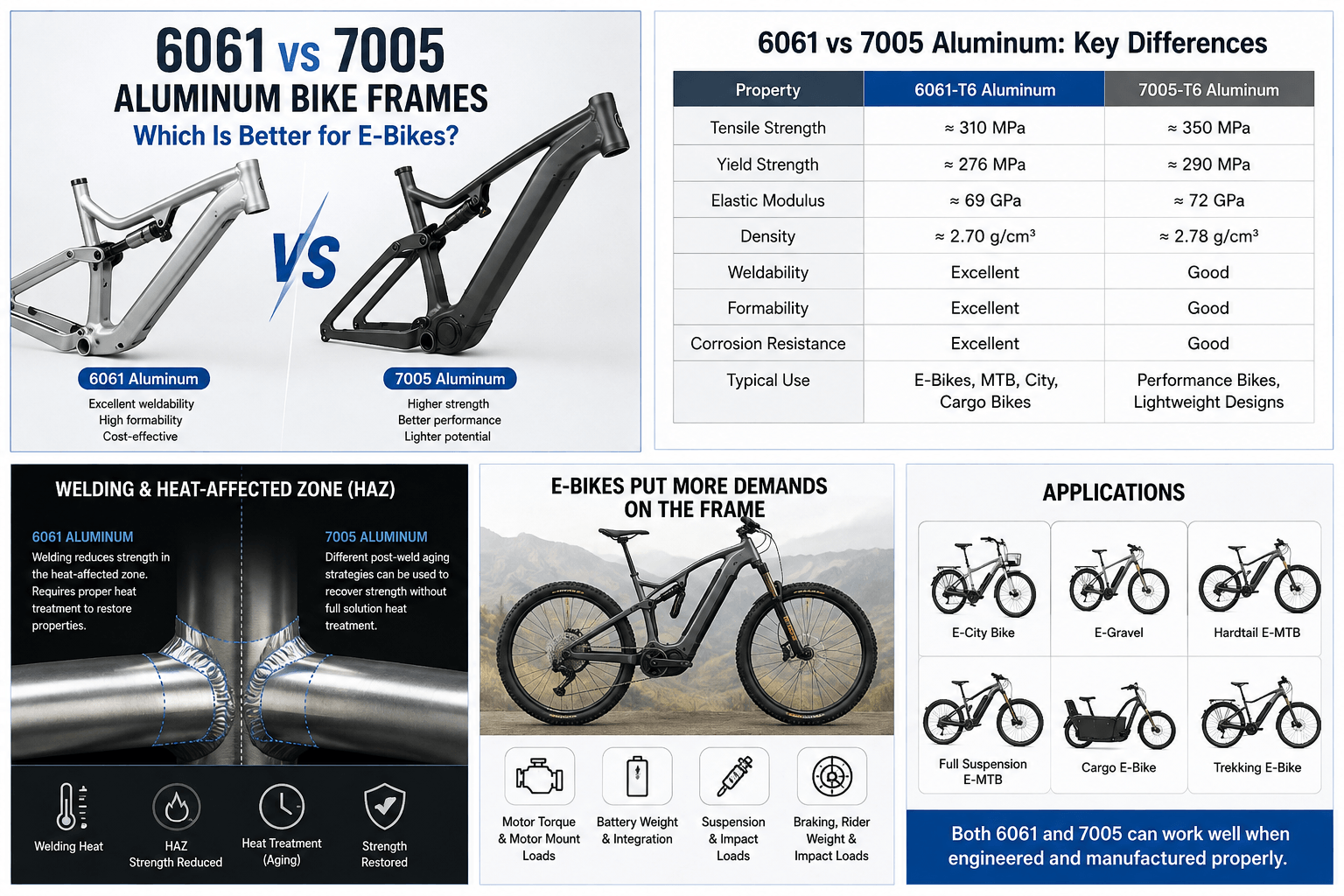 If you are developing an aluminum e-bike frame, two alloy names appear again and again: 6061 aluminum and 7005 aluminum.At first glance, choosing between them seems simple. 7005 has higher raw tensile strength, while 6061 is widely used throughout the bicycle industry. That often leads to a basic qu
 -
 IntroductionThe bicycle industry is changing faster than ever.From traditional mountain bikes and road bikes to high-performance electric mountain bikes (e-MTBs), bike manufacturers all over the world are constantly developing new technologies for the purpose of riding performance improvement, durab
